Energy Conservation Tips

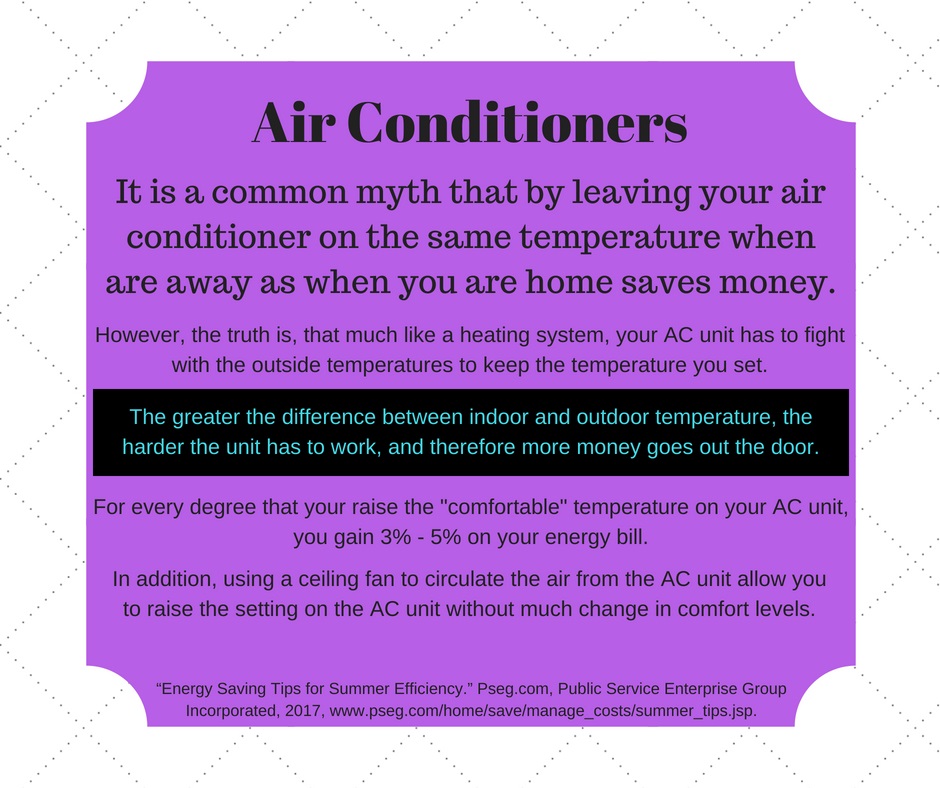
Air Conditioners Tips: it is a common myth that by leaving your air conditioner on the same temperature when are away as when you are home saves money.
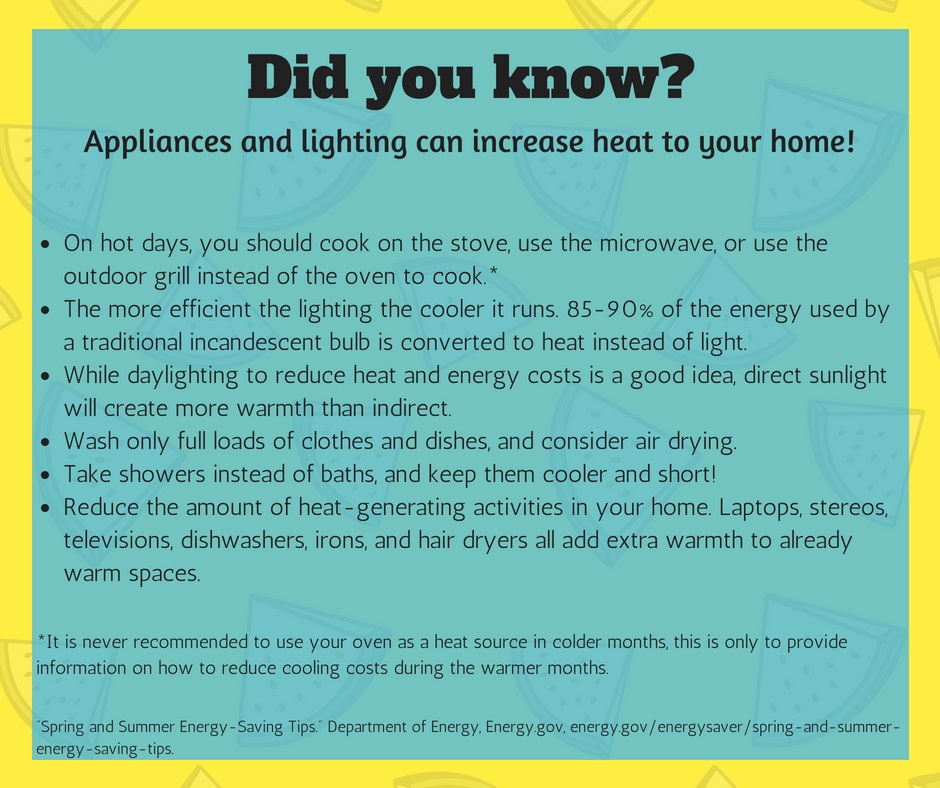
Did you know? Appliances and lighting can increase heat to your home!
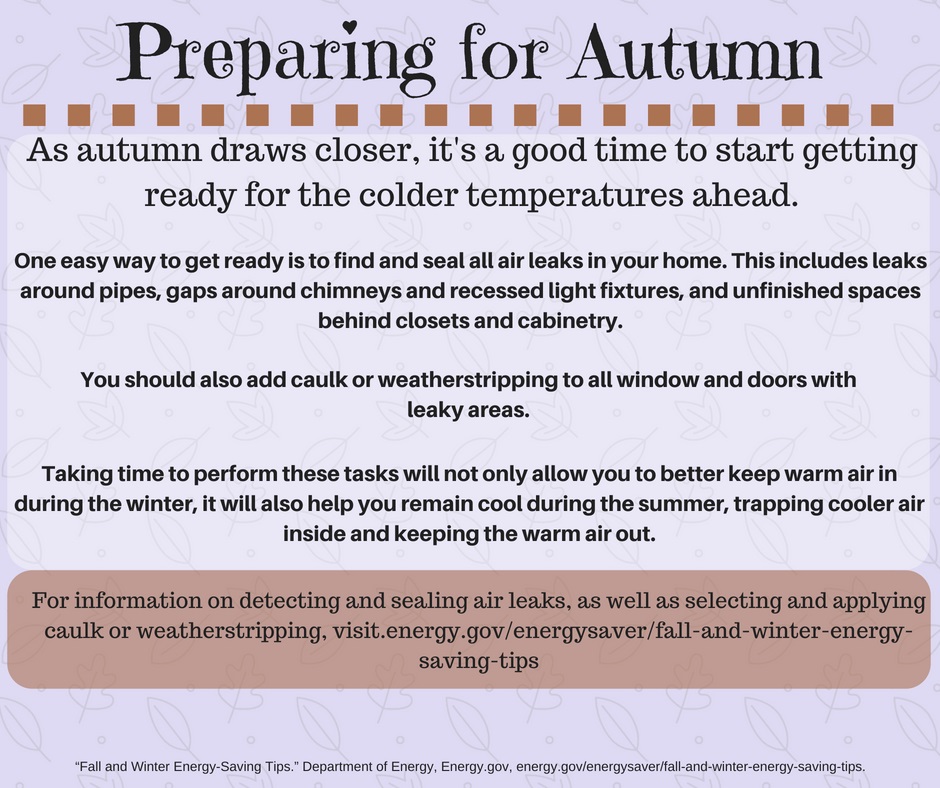
Preparing for Autumn: as autumn draws closer, it's a good time to start getting ready for the colder temperatures ahead.
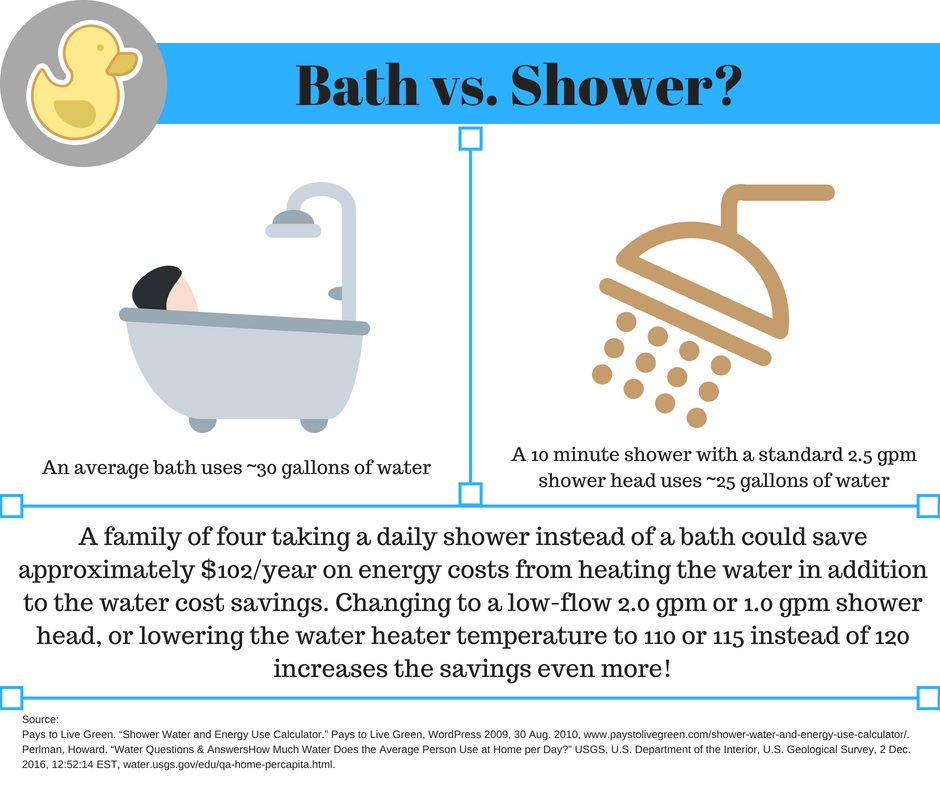
Bath vs Shower: an average bath uses 30-gallons of water, while a 10-minute shower uses 25-gallons of water.
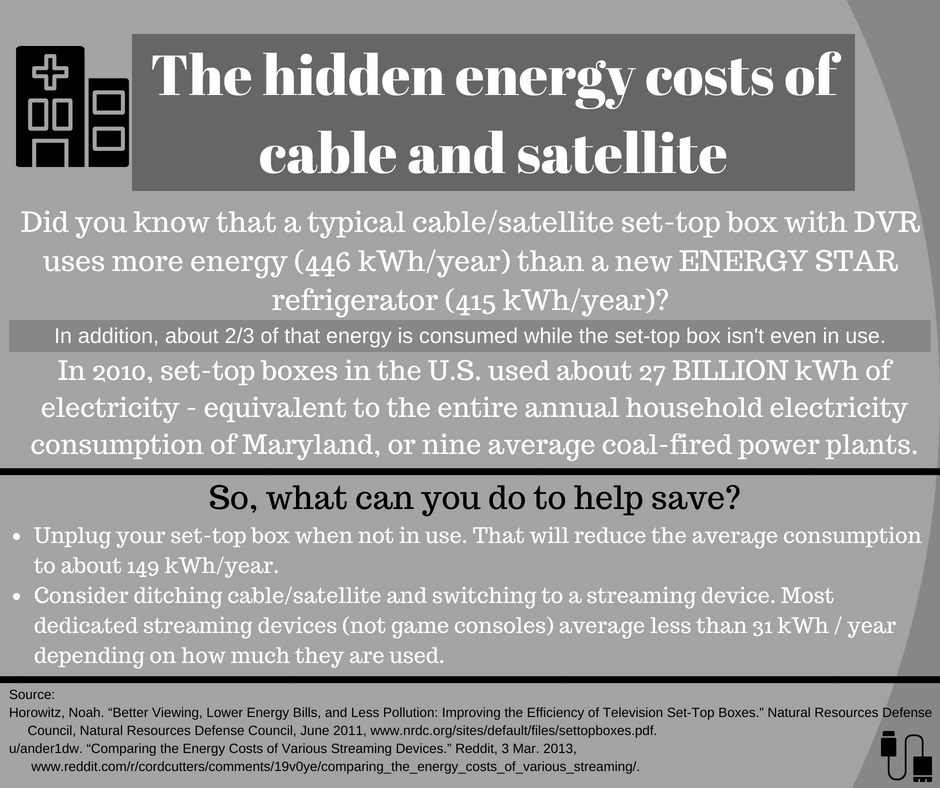
Hidden costs of cable: did you know a typical cable set-top box uses more energy than a new Energy Star refrigerator?
Dishwasher 101: Washing and rinsing your dishes by hand after every meal uses more hot water and energy than running a dishwasher once a day.
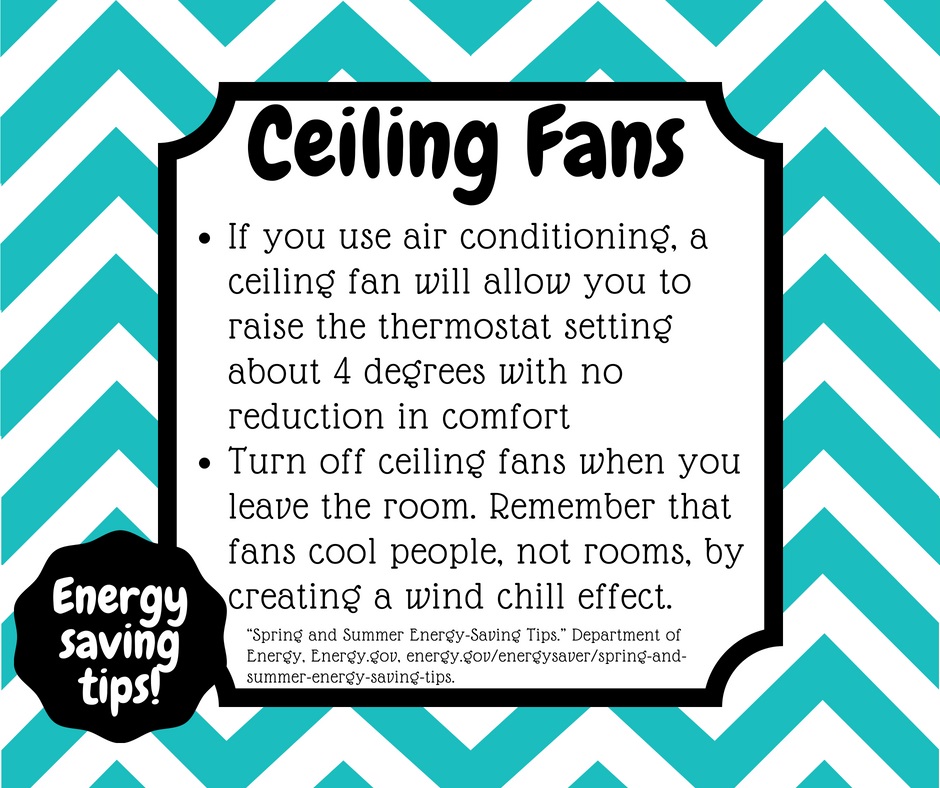
Ceiling Fans: turn off fans when you leave the room because fans cool people, not rooms, by creating a wind chill effect.
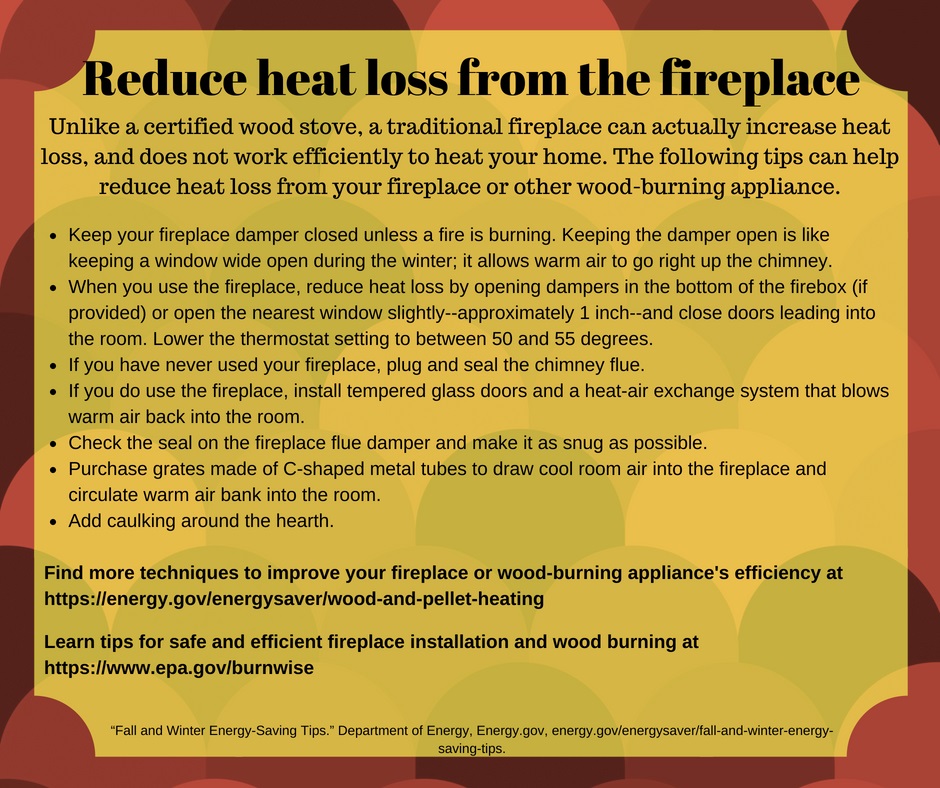
Unlike a certified wood stove, a fireplace can increase heat loss and does not work efficiently to heat your home.
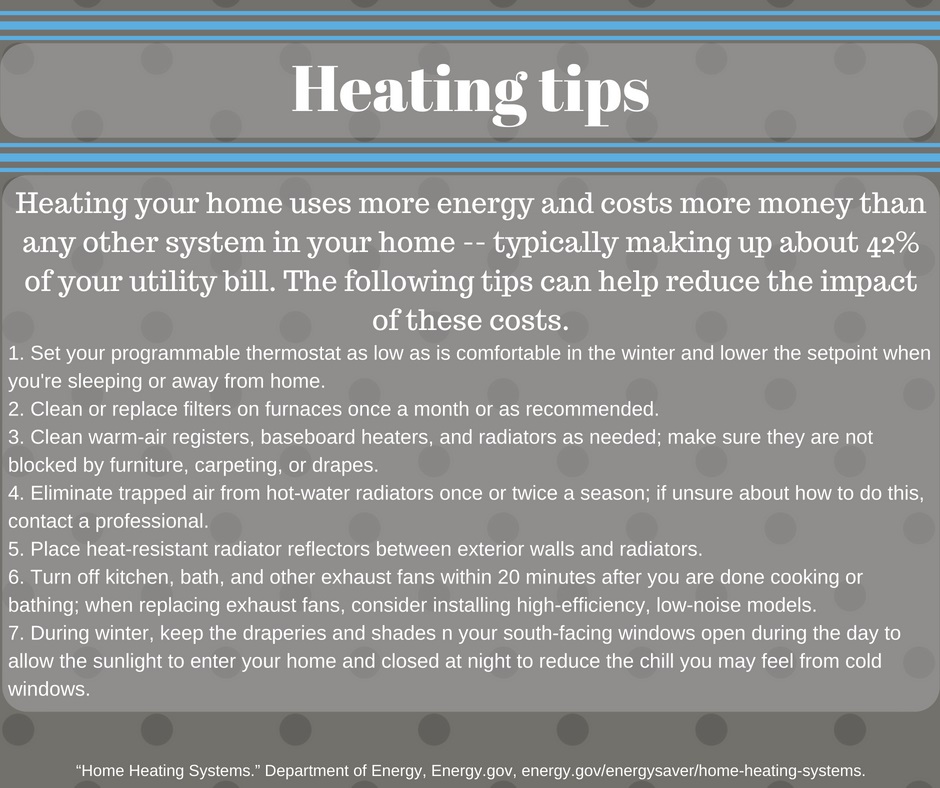
Heating your home uses more energy than any other system in your home, typically making up about 42% of your utility bill.
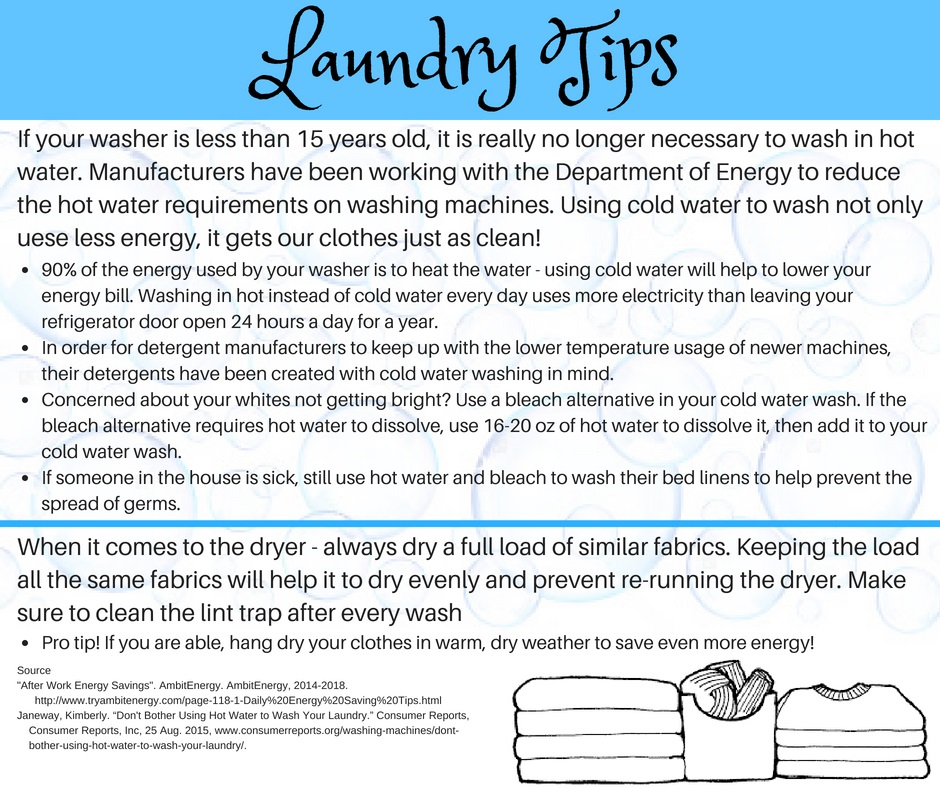
Laundry Tips: if your washer is less than 15-years old, it is no longer necessary to wash in hot water. That will save 90% of the energy costs.
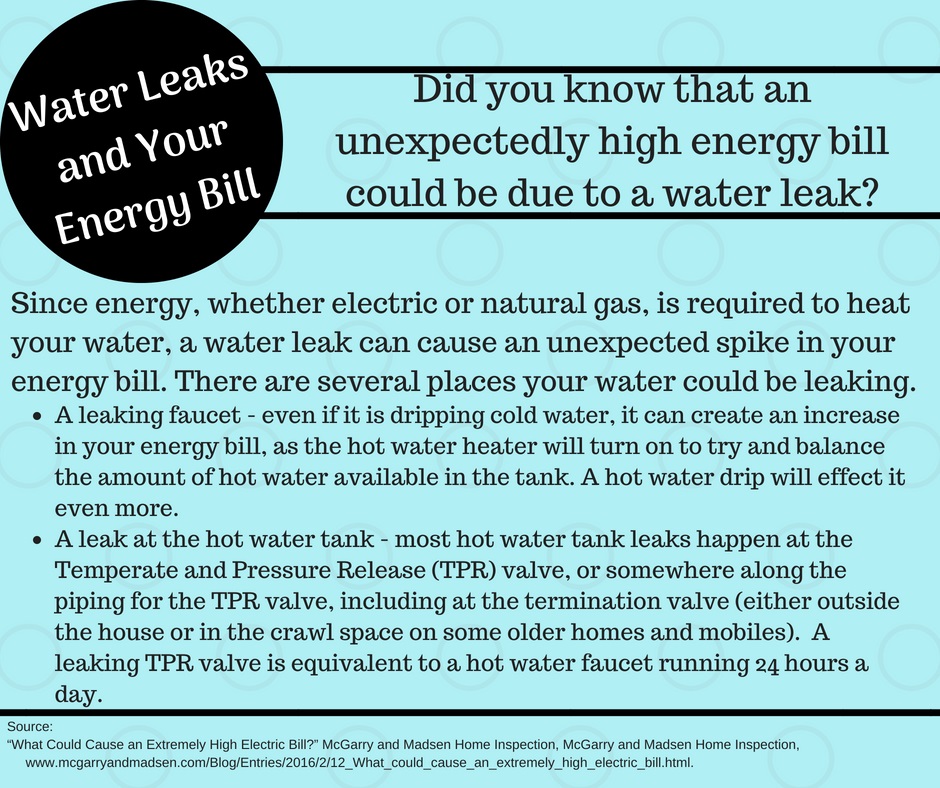
Did you know that an unexpectedly high energy bill could be due to a water leak?
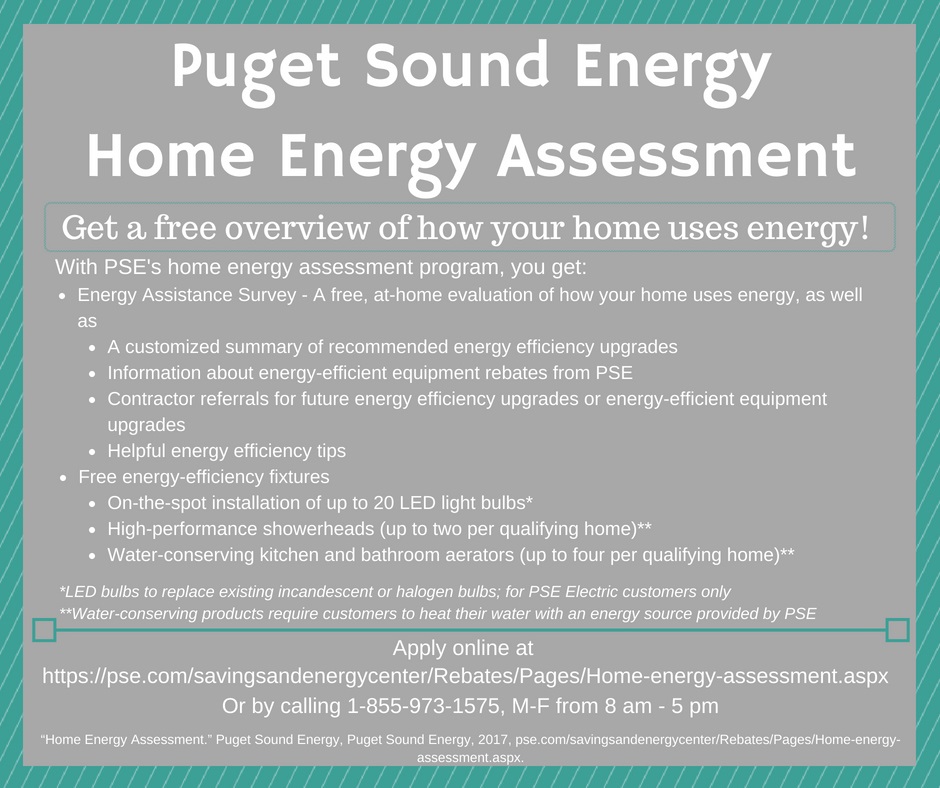
Call Puget Sound Energy at 1-855-973-1575, M-F, 8AM to 5PM to request a free overview and home energy assessment.
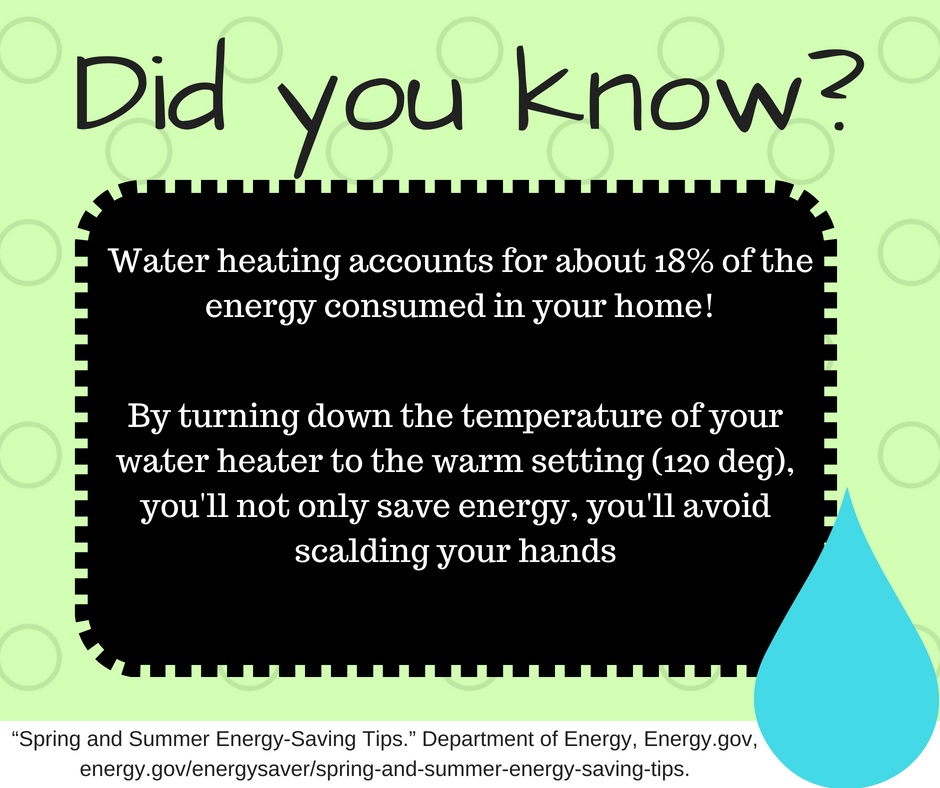
Water heating accounts for about 18% of the energy consumed in your home, turning down the temperature to 120-degrees will save energy and money.

Free and Low-Cost Ways to Save Energy

  • Do laundry in cold water whenever possible.
  • Hang clothes outside to dry whenever possible.
  • Keep dryer lint trap clean at all times for the dryer to work at the highest efficiency.
  • Close draperies and blinds to keep heat in during winter months and keep your home cool in summer months.
  • Use the “Energy Saver” feature on dishwasher.
  • Only run dishwasher when full.
  • Keep freezer as full as possible.
  • Limit time in the shower.
  • Layered clothing during winter months will keep you warmer.
  • When preparing a meal make enough for leftovers. It is cheaper to reheat leftovers than to prepare another meal.
  • Set water heater at 120º.
  • Vacuum heaters and vent registers.
  • Turn lights off in rooms not being used.
  • Consolidate refrigerators & freezers.
  • Caulk windows.
  • Weatherstrip.
  • Wrap water pipes.
  • Use shrink-wrap on non-insulated windows.
  • Seal and wrap heating ducts.
  • Change furnace filters regularly.
  • Replace old incandescent bulbs with new energy efficient fluorescent bulbs.
  • Be sure to close fireplace damper.

When shopping for a new appliance, don’t forget to take into account hidden energy costs. The appliance with the lowest price tag may not be the most efficient, or save you the most money in the long run. Read the ENERGYGUIDE labels on major appliances, and talk to salespeople about the best energy buy. By federal law, these new appliances all have energy-efficiency labels:

  • Refrigerators
  • Water Heaters
  • Freezers
  • Room and Central Air Conditioners
  • Dishwashers
  • Clothes Washers
  • Furnaces
Skip to content